
Interesting Facts about Investment Casting
Definition – What Is the Investment Casting Process?
The investment casting process, also known as the lost-wax casting process, is one of the most precise casting technologies for the production of complex metal components. This process produces workpieces with high dimensional accuracy, excellent surface quality, and intricate geometries that are often not economically feasible with other casting methods.
Whether in the pump industry, food and packaging technology, automotive manufacturing, or medical technology—the investment casting process enables the cost-effective production of complex and high-precision components. A wide range of materials, such as stainless steel, steel, aluminum, brass, and special alloys, can be processed using this method.
The Investment Casting Process, Step by Step

Consulting and Project Planning
To begin with, we work with you to analyze the requirements for your component. Our experts assess feasibility, material selection, and opportunities for optimization. Upon request, we can assist you as early as the design and drafting phases.

Tool Manufacturing
A precise casting mold is manufactured based on the component’s geometry. This mold is later used to produce the wax models and is customized to meet the specific requirements of the project.

Production of the wax models
The tool is used to create precise wax models of the future component. These models form the basis for the entire investment casting process and already match the final contour of the workpiece.

Ceramic Restorations and Lost-Wax Casting
The wax models are coated several times with ceramic slurry and sprinkled with fine ceramic sand. Once dry, a sturdy ceramic shell is formed. The wax is then melted out, creating a highly precise hollow mold.

Pouring Molten Metal
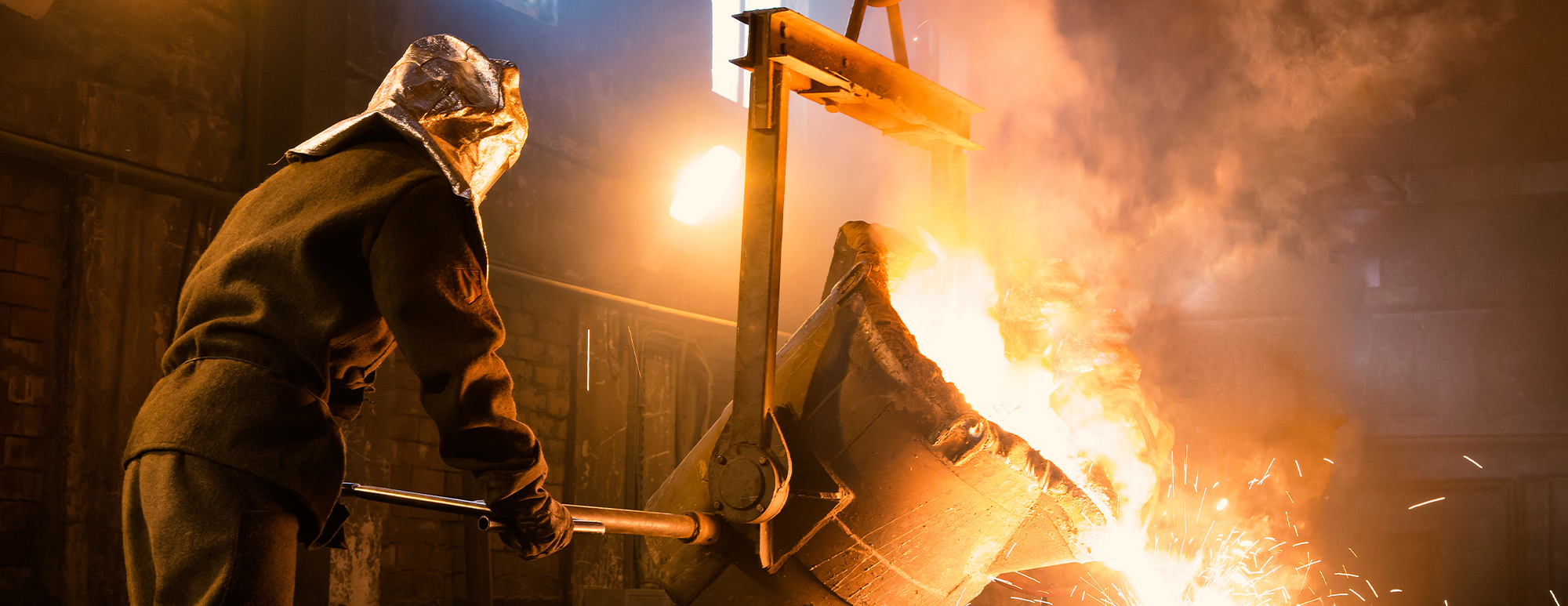
The prepared ceramic mold is preheated and filled with molten metal. After the metal has solidified and cooled, the ceramic shell is removed, exposing the casting part.

Finishing and Assembly
This is followed by the removal of sprues, deburring, and, if necessary, mechanical machining. Depending on the requirements, heat treatments, surface finishes, or assembly operations are performed.

Quality Assurance
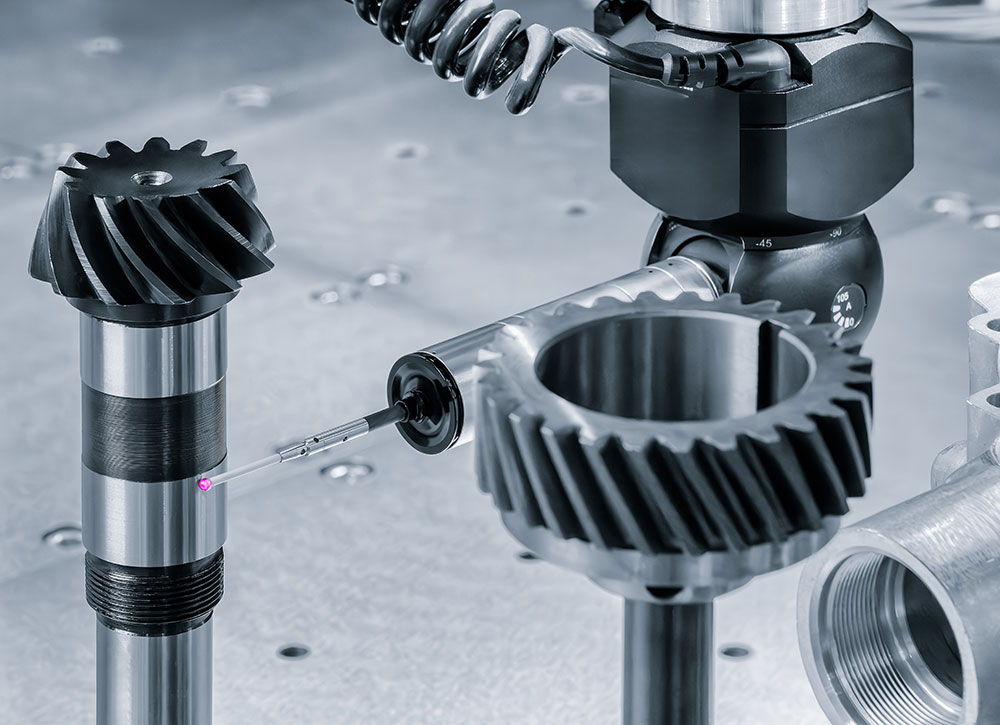
Every component undergoes extensive testing. Depending on the requirements, visual inspections, dimensional inspections, hardness tests, leak tests, and ultrasonic or X-ray inspections are performed.

“Free Shipping”
Once all quality inspections have been completed, we deliver your components on time and reliably to the desired destination. Our “door-to-door” service includes the complete organization of transportation logistics and ensures a hassle-free, safe, and efficient delivery.
Quality Assurance in Investment Casting
Quality is a critical factor in the investment casting process. Through modern testing methods and documented quality processes, we ensure that every component meets the required specifications.
The most common testing methods include:
- Visual Inspection
- Dimensional and Geometric Inspection
- Hardness Test
- Leak Test
- Ultrasonic Testing
- X-ray inspection
All test results are documented in a traceable manner, ensuring the highest level of process reliability.
Questions and Answers
Why is it called "precision casting"?
The term “precision casting” refers to the process’s ability to produce particularly precise and highly detailed components with tight tolerances.
Is there a minimum order quantity?
The minimum order quantity for investment casting depends heavily on individual requirements and circumstances. In general, however, investment casting is also suitable for the production of smaller quantities. You should, however, consult with your contact person regarding this matter.
Are the final components ready for installation?
As a rule, investment-cast parts require further processing after the actual casting process. This includes deburring, machining specific areas, and, if necessary, heat treatment, surface treatment, or painting.
What alloys are used?
A wide variety of materials can be processed using the investment casting process. Commonly used materials include various types of steel and stainless steel, aluminum alloys, brass alloys, copper alloys, and various specialty alloys.
What is investment casting used for?
Investment casting is primarily used in the manufacture of components and parts that require high contour accuracy and complex shapes, where conventional casting processes reach their limits. Areas of application include, for example, mechanical engineering, the automotive industry, the aerospace industry, medical technology, and jewelry manufacturing.
How are castings produced using precision casting?
In the investment casting process, a model of the desired component is first created from wax or plastic. This model serves as the starting point for creating a casting mold made of heat-resistant material, usually ceramic. The model is then melted out (lost-wax process), and the resulting hollow mold is filled with the liquid material. After cooling and hardening, the mold is broken open and the cast part is removed.
What casting processes are there?
There are a variety of casting processes. In addition to investment casting, other common methods include sand casting, die casting, permanent mold casting, and centrifugal casting. Each process has its own specific advantages and is used depending on the requirements of the workpiece.
What types of molds are there?
There are various types of molds, which are used depending on the casting process selected. These include, for example, wooden or metal patterns for the sand casting process, metal molds for the die-casting process, and wax patterns for the investment casting process (lost-wax casting).
How does the lost-wax casting process work?
In the lost-wax casting process, a wax model of the part to be manufactured is embedded in a refractory ceramic material. Once the mold has hardened, the wax is heated and melted out, creating a perfect, hollow replica of the component. Metal is then poured into this mold, and once it has solidified, it takes on the shape of the original model.
What is the difference between investment casting and gray iron casting?
Cast iron with lamellar graphite inclusions is known as gray cast iron. It is easy to cast and is characterized by its high vibration damping properties. Investment casting, on the other hand, is a process, not a material. A wide variety of materials, including gray cast iron, can be used in the investment casting process. The difference, therefore, lies in the different areas of application and the specific properties of the materials
or processes.